
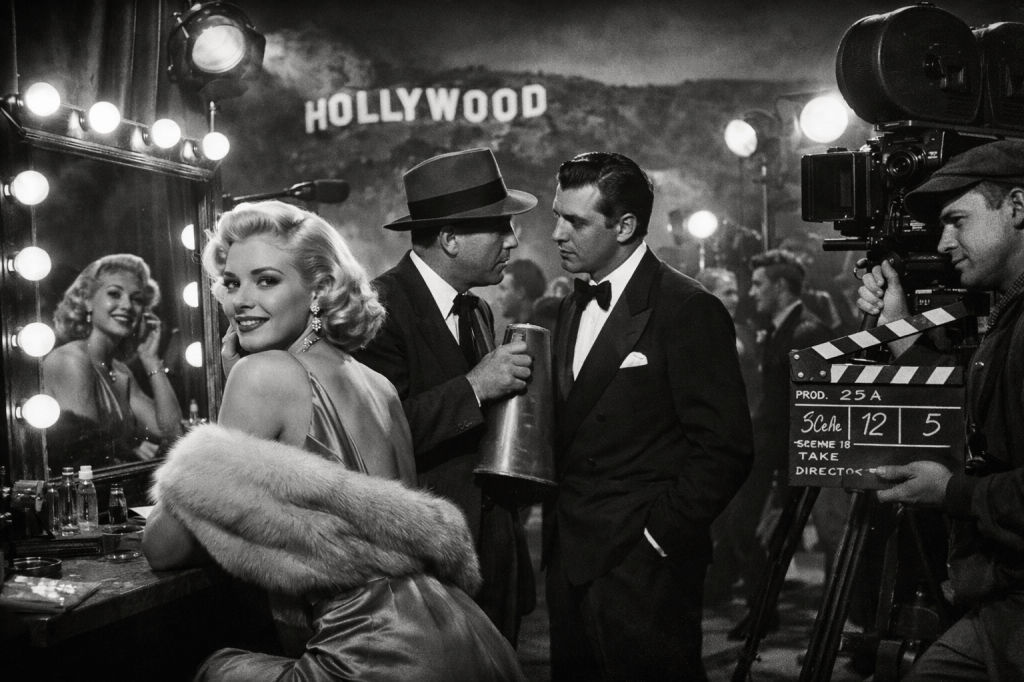
Hollywood did not slowly evolve. It cracked.
What we are witnessing right now is not a new generation of celebrities. It is a new operating system for fame.
Old Hollywood created icons and quietly dismantled the people behind them.
New celebrities build companies, protect leverage, and control outcomes.
The difference is not talent. It is ownership, infrastructure, and systems.
Old Hollywood Was a Factory. People Were the Product.
Old Hollywood ran on a centralized studio system that would feel predatory if it launched today.
Actors and musicians signed long term contracts before they understood money, power, or legal language. Studios owned distribution. Labels owned publishing. Managers optimized output. Lawyers protected corporations, not people.
Here is what that system actually looked like.
How Old Hollywood Really Worked
- Studios owned the IP
- Labels controlled royalties and catalogs
- Talent had little visibility into cash flow
- Career decisions were made by committees
- Fame was monetized by everyone except the person creating it
Marilyn Monroe was one of the most recognizable women on earth and still fought for basic creative control.
Elvis Presley generated hundreds of millions in value and died without control of his catalog or estate structure.
Britney Spears built a global empire and was legally blocked from managing it for over a decade.
Old Hollywood optimized for extraction. Not sustainability. Not protection. Not longevity.
Fame was the asset. The human was replaceable.
New Celebrities Enter the Spotlight Like CEOs
Modern celebrities understand something old Hollywood ignored. Attention is useless without control. Fame is not the business. It is the top of the funnel.
Rihanna
Rihanna did not become wealthy because of music. She became wealthy because she owned equity.
Fenty was built with:
- Ownership stake
- Control over branding and distribution
- Long term scalability beyond personal output
Music made her visible. Business made her untouchable.
Kim Kardashian
Reality TV was the entry point (well, you know what I mean lol). SKIMS is the machine.
It operates with:
- Direct to consumer distribution
- Owned customer data
- Product launches driven by demand, not hype
She did not rely on networks to stay relevant. She replaced them.
MrBeast
This is where people get uncomfortable. MrBeast treats content as customer acquisition. Not the business. YouTube is distribution. The business is built underneath.
Revenue comes from:
- Physical products
- Licensing
- Scalable brands like Feastables
Every video reinvests into production, systems, and teams. This is not a creator. It’s a media backed holding company.
Emma Chamberlain
Emma Chamberlain understood early that vibes do not scale.
Chamberlain Coffee created:
- Recurring revenue
- A product people buy without daily visibility
- A brand that survives algorithm changes
Authenticity built the audience. Structure built the business.
The Most Powerful People Are Not Famous – They Are (mostly) Only Famous to Famous People
Here is the part most people miss. The people with the most power were never the faces. They were the operators.
Irving Azoff
Irving Azoff has represented and negotiated for some of the biggest names in music history. He is not visible. He is influential.
Because he understands:
- Long term royalties
- Power dynamics
- How money actually moves
When executives negotiate, they listen to him.
Kevin Feige
Kevin Feige is not a household name like the actors in Marvel films. But he architected the Marvel Cinematic Universe as a system.
- Interconnected IP
- Long term storytelling roadmap
- Scalable franchise design
Actors rotate. The system compounds.
Shonda Rhimes
Shonda Rhimes understood that being the talent was optional. Owning the production was not.
She built:
- Repeatable content engines
- Ownership over IP
- Enough leverage to walk away from traditional networks
She did not chase roles. She built an empire that creates them.
The Real Shift. Exposure vs Ownership.
Old Hollywood asked one question. How do we make you famous? New celebrities ask a harder one. How do we turn attention into assets?
Old Model
- One income stream
- Dependency on gatekeepers
- Limited legal protection
- No backend visibility
New Model
- Multiple revenue streams
- Owned platforms
- Legal and financial structure early
- Teams, systems, and repeatability
This is why modern celebrity businesses survive quiet seasons. They are not fueled by adrenaline and applause. They are run like companies.
What Creators Get Wrong When They Copy Fame Instead of the Business
Most creators study content. Very few study infrastructure.
They want:
- Virality
- Sponsorships
- Brand deals
They skip:
- Entity structure
- Contracts
- IP ownership
- Offers that survive low engagement seasons
Old Hollywood stars were famous and fragile. Modern creators can be unknown and still profitable.
That is not luck. That is design.
Do This Today. Tomorrow. This Month.
This is where outcomes change.
Today. Stop Renting Attention.
Your job today is not growth. It is clarity.
Do this:
- Write down every way money enters your business
- Circle the ones that disappear if you stop posting
- Identify what you actually own
If your income requires constant visibility, you are exposed.
That is not a mindset issue. It is a structure issue.
Tomorrow. Build One Quiet Asset.
Tomorrow is about leverage.
Choose one:
- A product
- A service
- A system
- A defined offer
Ask one question. Can this make money without me being online every day? If not, simplify until it can. That is how operators think.
This Month. Put the Business Under the Brand.
This is where most people stall.
This month you need:
- A real business entity
- Clear contracts and policies
- Defined offers and pricing
- A backend that can hold growth
This is not exciting. This is not aesthetic.
This is what separates creators who last from creators who disappear.
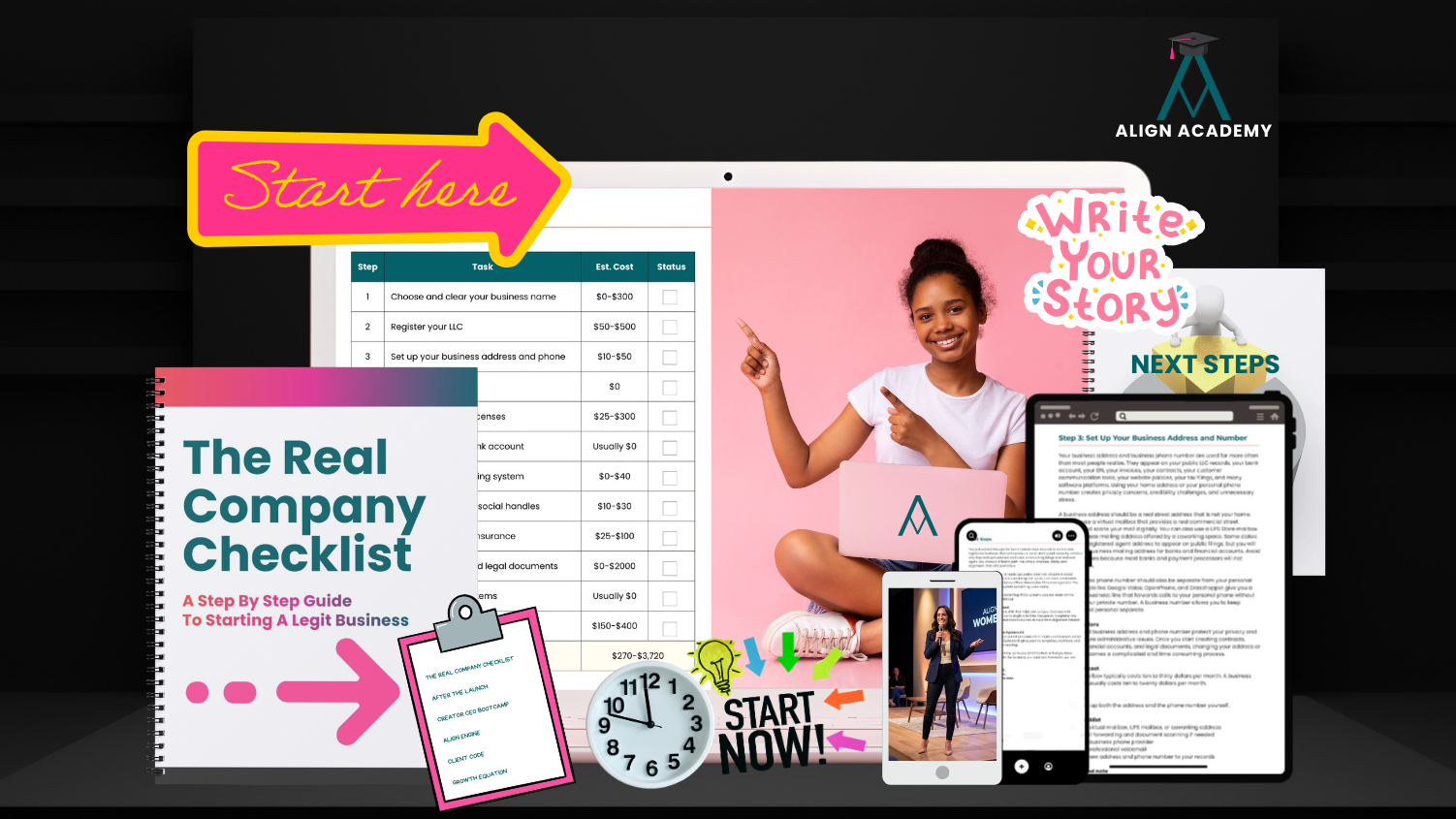
(grab The Real Company Checklist to help you)
What Happens After the Attention
Old Hollywood taught people how to get famous. It never taught them how to stay protected.
New celebrities survive because they build the business under the brand early. Not after burnout. Not after chaos. Not after something breaks. That is the part most creators never see.
They copy content. They chase visibility. They assume the business will figure itself out later. Later is where most businesses collapse.
If you are building something that matters, something you want to last, the work is not louder posting. It is quieter decisions. Structure. Systems. Ownership.
If You Want the Business Side to Actually Work
After the Launch exists for the part no one teaches. This is not about hype. It is about longevity.
If you want to build something that survives success, not just reaches it, grab After the Launch and start putting the structure in place now.
Because growth without structure is not growth.
It is stress.
You already built the dream. Now make it sustainable with Align Method.
Follow Align Method
Want to build a business that sells with conviction, not control. That is what I teach inside Align Method, where strategy meets psychology and systems meet soul.
Go to www.AlignMethod.org for real talk about growth, influence, and aligned entrepreneurship.
See Align Method’s Legal and Policy Hub for complete legal and policy information.
DISCLAIMER: The content shared on Unfiltered Alignment is for educational and informational purposes only. It reflects my experience, my opinions, and my perspective on building aligned, sustainable businesses. It is not legal, tax, financial, or professional advice. Every business has unique needs, and requirements vary by state, city, industry, and individual circumstances. Please consult with a qualified attorney, accountant, or licensed professional before making decisions that affect your business, finances, or compliance. Align Method and Shelley are not responsible for any actions taken based on this content.





 Align Method
Leave a comment